I Do Not Fail People
Erica Anderson
Word Count 598
Every adult failed me as a child.
My mother was unstable and addicted to drugs. My father ruled with fear, volume, and rage.
My parents failed me.
I do not fail people.
Not even the dead.
After Andie died, her family handed me a beautiful blue urn with some of her ashes inside.
I wasn’t expecting it. I didn’t know they had discussed who would receive pieces of her. I stood there silent, and they hurried to fill the space.
“Andie would have wanted this.”
“We know how you are.”
“You deserve these.”
They were right.
My first thought was: I am not worthy.
I took the urn home and put it on a shelf where I could see it every morning and every night.
I held the urn against my chest and cried. I opened it repeatedly until grief became a ritual I could not stop.
A few hours before Andie died, I had held her hand. It was cold and almost lifeless. I tried to feel her pulse and couldn’t tell if it was there. The hospice nurse said it was fewer than ten beats a minute.
“Honey, it’s in God’s hands now,” she said.
Part of me never believed Andie was gone.
Instead, my brain latched onto a different horror: what if she felt the fire? What if they hadn’t checked carefully enough?
I knew it was irrational. I couldn’t stop my mind.
My phone search history was morbid. Every morning, I cleared it.
I studied her ashes as if I could put her back together. I could not make myself touch them. They stayed sealed inside the clear sachet bag.
Every time I opened the urn, my life darkened.
Having her ashes turned loyalty into a full-time job. I felt responsible for guarding her, protecting her, keeping her spirit alive.
When her husband told us he was dating someone, I held the urn and apologized.
When I met the woman, I held it again and cried uncontrollably, apologizing for betraying Andie by continuing on without her.
The guilt consumed me.
A few days before she died, Andie wrote me a letter. I reread it obsessively. I memorized her handwriting. I rotated between the letter and the urn, desperate to prove my love and devotion to her.
I photographed the letter so I could continue the ritual when I wasn’t home.
Eventually, I told my husband because I no longer trusted myself to stop.
He was alarmed.
Quietly and without warning, he moved the urn. He put it out of my reach and in his line of sight while he worked.
I stopped because I didn’t want to be seen doing it.
My loyalty had become dangerous, and he saved me.
What undid me most was this: I could not reconcile who Andie had been with what remained.
She was blonde, petite, curvy, beautiful, sassy.
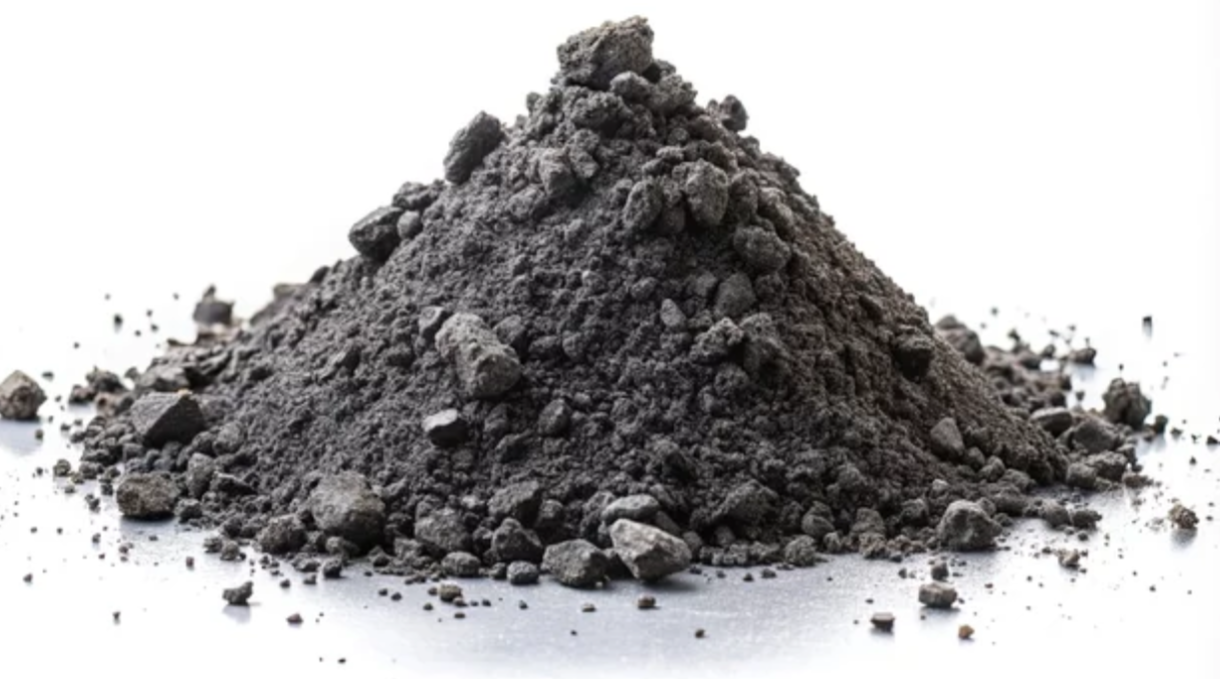
The ashes were none of those things. They were white, uneven, some pieces large, others fine as sand.
And then I understood.
I wasn’t looking at ashes.
I was staring at the bone fragments of my best friend.
I was staring at the insides of my beautiful friend.
That broke something in me.
Cancer.
Death.
Loss.
Bones.
I am not the same person after losing her.
The last line of her letter says:
“You are an inspiration to all, Erica. A beautiful, smart, capable, strong person who can accomplish whatever you want.”
I haven't opened the urn in a long time.
But I still want answers from her.
Why did she call me capable? Strong?
I don't feel like either.
Erica writes personal essays exploring grief, marriage, and growing up Iranian American in small-town Texas. Her work blends dark humor with emotional honesty. A former teacher, she enjoys being with her family. Her writing has appeared in Sheepshead Review and elsewhere. She publishes weekly on Substack (https://messydiaries.substack.com/).