The Lost Friend
Laurel Davis
Word Count 960
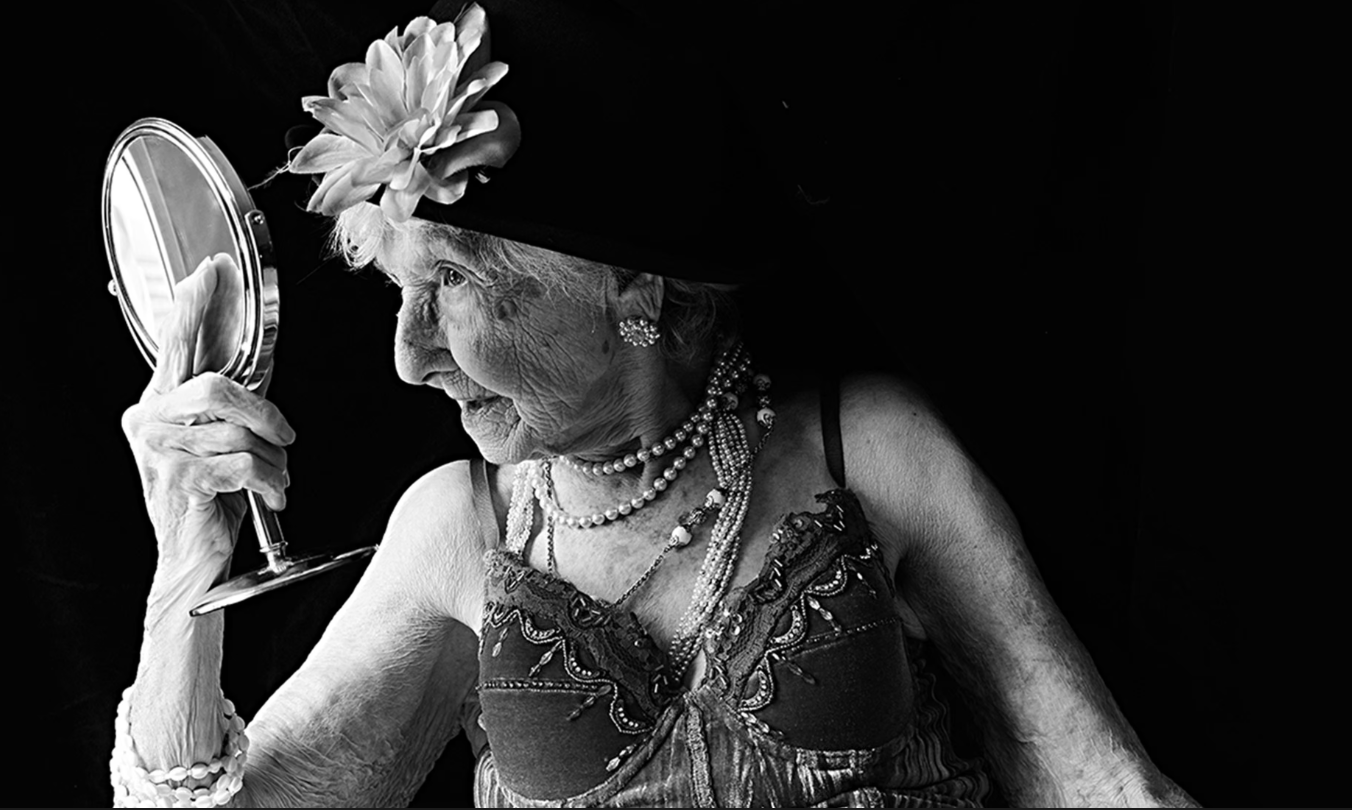
Vivienne was —and perhaps is— aquiline in beauty with a nimbus of graying dark curls. Her voice, musical. Generous to an unflagging degree. An intellectual. A computer tech from the early days of the industry, yet steadfastly cutting-edge. I’ve known her for thirty years. Now I can’t find her. Not a sign remains, no phone number that actually works. Not even an obituary. “Is she CIA?” queries a mutual friend. We laugh and feel sad at the mix of possibilities.
Flashes of her come and go in a medley of plays and film we’ve seen together, offset by glimpses of our coated shoulders bumping along with the crowd into elegant old theaters. Here we are filing into movie houses for SAG-AFTRA screenings. There is Playwrights Horizons with Spielberg in the audience, and Manhattan Theater Club with Sara Jessica Parker. We catch Athol Fugard’s “Valley Song” and luminous young Lisa Gay Hamilton on a night upholstered in snow.
Our friendship was one of slow-motion fits and starts. My family moved away and back. She stayed in the same Chelsea apartment with her black cats, Maligne and Basca, named after the Canadian lakes she visited. She sailed the Mediterranean. I had twins. She had a stroke, and recovered. “It was so painful—” she confessed, and then abruptly halted as though she let slip a deadly state secret. Lazy, and perhaps anticipating unwanted news, I hadn’t called her lately, finding excuses not to pick up the phone, even though she was dear to me.
The worst part is, I had an inkling this would happen. The last time I saw her, she was disoriented in that unreal way that’s almost like gaslighting. Someone you love begins behaving otherworldly without warning. And you cannot get around the chilling effect it has on your psyche. You don’t ask about her behavior. You fail to follow up about what is wrong.
She arrived late to our Christmas party in a lost fluster, wet from rain, unable to find our apartment. “Stay with me,” she said, not recognizing the faces of old friends sitting at the table. She was fading, flickering, but she was still cheerful and independent. After some talk about accompanying her home, she demurred and left with my brother, who promised to give her a nod when it was her subway stop.
Now she has vanished with no trace. Before, there was growing pressure in my chest to call her in case she disappeared. Now that it has happened, there is a surge of mourning and remorse. A new burden weighs heavily, replacing the old.
I claw through email. Spritely, out-of-date messages from Vivienne pop up. They encourage and cheer me. Happy greetings from a few years ago, slyly dropped hints that she may not comprehend reading well. And by the way, she might forget addresses, dates and times she included in her email. Days later, I recall an old friend who may know more about Vivienne. At once I am beset with worry that I might upset him by calling to announce that she has disappeared.
I buck up the nerve to call this dear man, craggy and older than myself, sussing any news. His voice was smiling and alive, I could sense the creases in his face lifting with surprise and warmth, his speech agile and witty. “I was hoping that you would have some information about Vivienne,” he parried to my query. He had called her twice. The first time, eerily, she seemed not to be at her old apartment, but at some unnamed location. The second time, the phone line was dead. “Edmund, I’m sorry,” I say.
“Everybody leaves me, you know. They all do,” he replied and then, quite tragically and practiced at the same time, “Oh, poor me!” Was he trying to tell me something? I contemplate his morbid humor, the mortal significance of the word “leave,” and feel increasingly concerned. She might be alone in a care center somewhere, anywhere. It was Edmund’s fear as well.
What that must be like! To find yourself in a strange room without recall of how you got there. With no sure connection to your past or short-term memories. At the same time, you may be living in an illusion, an ethereal present that is vivid, uncanny, but no longer exists. Was she sitting by a window, or chatting with an aide while centered in some private moment spread out before her like reality? Or is that what I am doing myself: admiring the fall leaves turning up the yellow each day outside my window; my little desk before me now, shedding paper and mail onto surrounding surfaces, while I think about my old friend? Am I only inventing this, locked away in my own mind?
I pick up the dusky blue notecard from the desk and regard the fat, mute sparrow on the front. Losing Vivienne had metamorphosed from a sinking weight into a boulder of regret. It sweeps along into an ongoing avalanche of accidents and slight misdeeds, all of which you wish you could call back and do over, and never can.
Yet, I have excavated a new nugget. I seize upon a fresh-looking address on a people-finder website in the city where her family once lived. This card will be my message in a bottle. Carefully inscribed, in kindergarten-sized print —formal and uncharacteristic of the love we have for each other— it reads: “Dear Vivienne, I am an old friend who is looking for you. I cannot find you. Please contact me.” On the front of the envelope, I underline “Please Forward” three times and drop it into the open expanse of sea that is the mailbox in the lobby.
Perhaps it is bobbing out there still.
Laurel spent years in the controlled chaos of a producing and writing career, which — it turns out — is excellent training for crafting short stories that no one has published yet (but just you wait). These days, she splits her time between the sun-soaked shores of northwest Florida and the canyons of New York City, which means she's always either very relaxed or very caffeinated. She blogs with enthusiasm, writes fiction with ambition, and mothers her adult twin boys with a devotion that is both fierce and completely embarrassing to them.